top of page


AMMPDB VER.1.1
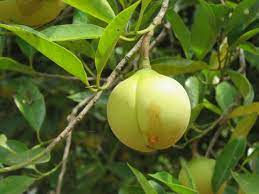
Myristica fragrans

press to zoom
press to zoom

press to zoom
press to zoom
1/3
Common names : jaiphal, Nut-meg
Frequently asked questions
English (2) :souchong, tea
Hindi (5) :cay, chai, chaipati, cha, chha
Kannada (9) :cha, cha soppu, chaha, chaha soppu, tea soppu, ca, caha, thesoppu, theyale
Malayalam (3) :teyila, caya, chaya
Marathi (1) :chaha
Sanskrit (5) :caha, syamaparni, chaha, chavika, chaya
Tamil (5) :teyilai, thayilai, karupputteyilai, pachaitteyilai, theyilai
Telugu (5) :nallateyaku, teyaaku, tiyaku, teyaku, theyaku
Urdu (2) :chai siyah, chai
Arabic (1) :chha
Persian (3) :ca, chaika thai, chha
Source : ENVIS FRLHT
Camellia sinensis is native to mainland china, South and Southeast Asia, but it is today cultivated across the world in tropical and subtropical regions. It is an evergreen shrub or small tree that is usually trimmed to below two meters (six feet) when cultivated for its leaves. It has a strong taproot. The flowers are yellow –white, 2.5-4 cm in diameter, with 7 to 8 petals. The leaves are 4-15 cm long and 2-5 cm broad. The young, light green leaves are preferably harvested for tea production; they have short white hairs on the under side. Older leaves are deeper green. Different leaf ages produce differing tea qualities, since their chemical compositions are different. Usually the tip (bud) and the first two to three leaves are harvested for processing. This hand picking is repeated every one to two weeks.
Source : Ananthi et al.,2018
Green tea is very popular because of its marked health benefits comprising its anticancer, anti-oxidant, and antimicrobial activities, as well as its effectiveness in reducing body weight. Additionally, it was recognized by Chinese people as an effective traditional drink required for the prophylaxis against many health ailments.
Source : Aboulwafa et al.,2019
S.No | Phytochemical Name | Phytochemical ID | Synonym | 2D structure | 3D structure | Part |
|---|---|---|---|---|---|---|
25 | Malabaricone B | CID_163001 | seeds |
Source : Weerakoon et al.,2021
bottom of page